23 Sep 2026
European Policy Changes Propel Growth in Unrestricted Wagering: Insights from Recent Market Data
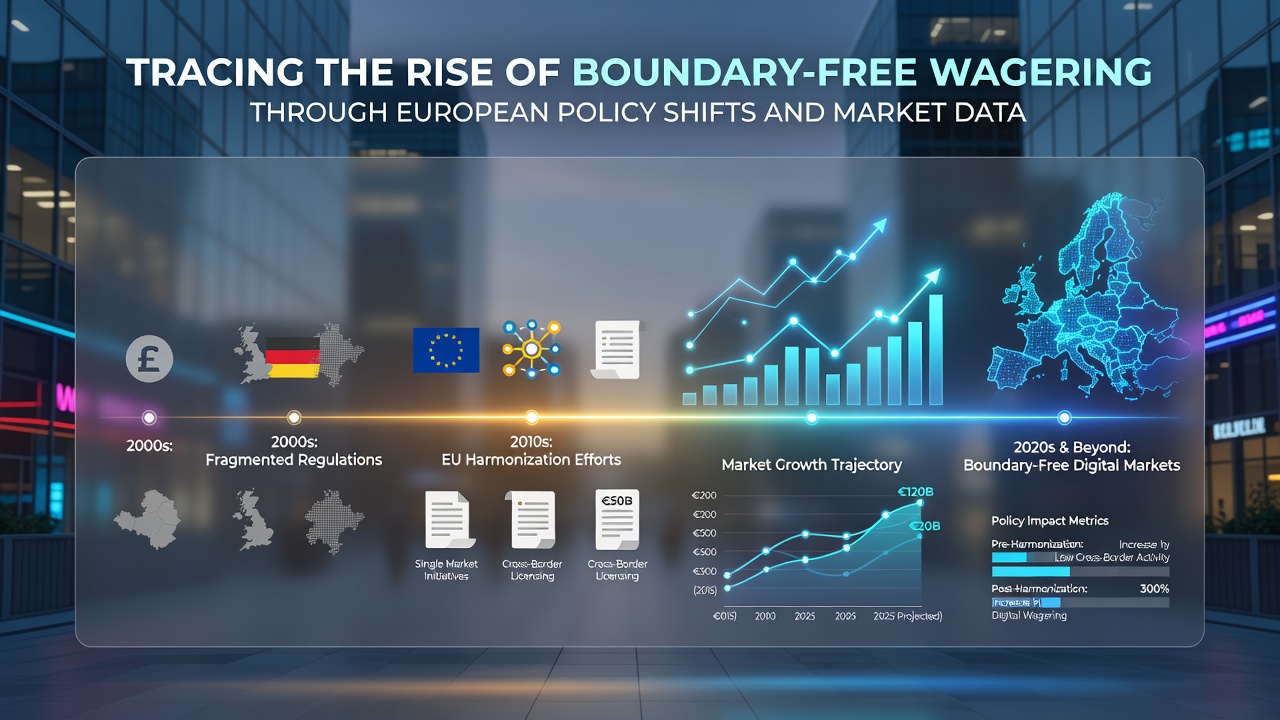 European gambling markets have undergone substantial transformation since the early 2010s as member states adjusted licensing frameworks and cross-border rules, and these adjustments coincide with measurable increases in operator activity and player participation across multiple jurisdictions. Data from industry tracking services indicate that the share of online wagering without strict deposit or session caps expanded notably between 2018 and 2025, particularly in countries that moved from monopoly models toward multi-license systems. Observers note that Germany’s 2021 Interstate Treaty on Gambling opened pathways for operators offering higher flexibility on stakes and bonuses, while similar liberalizations occurred in the Netherlands and parts of Eastern Europe around the same period. These reforms removed or raised previous caps on deposit limits and promotional structures, aligning with broader EU efforts to standardize consumer protections yet permit greater market entry.
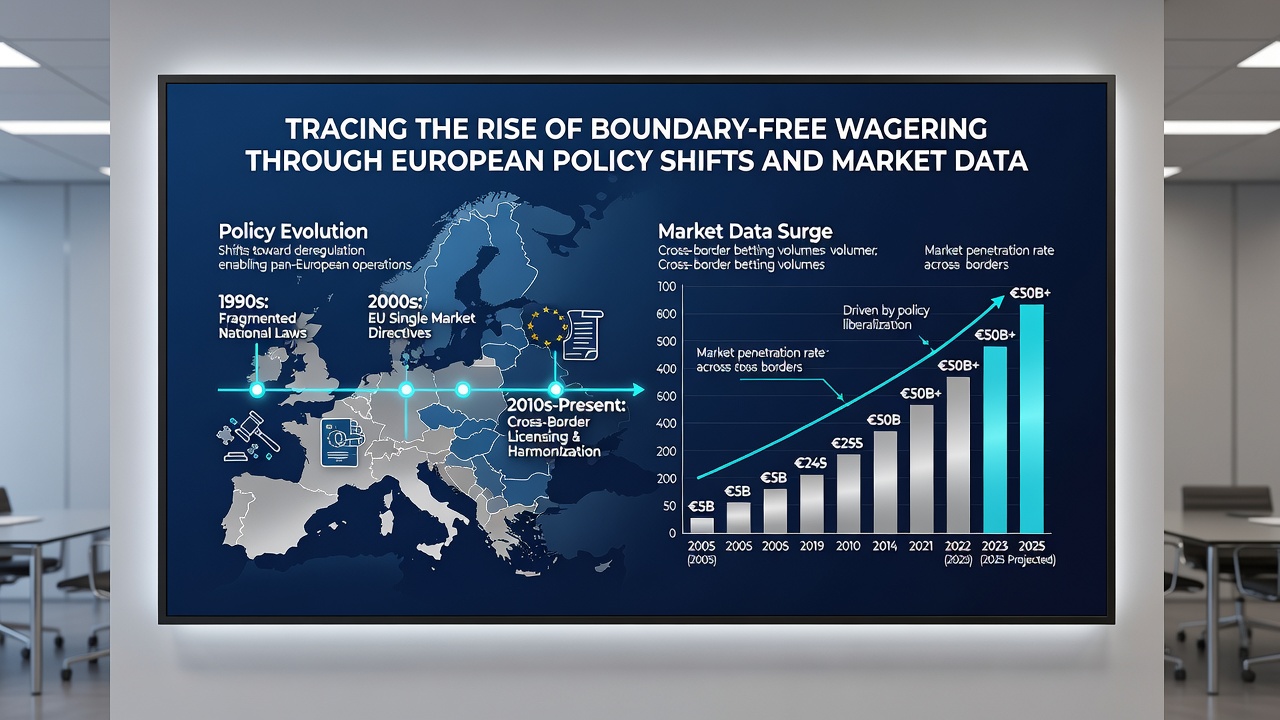 Projections updated in September 2026 point to continued expansion in markets where regulators have clarified rules around unlimited session lengths and stake flexibility, provided age verification and self-exclusion mechanisms stay intact. Analysts tracking payment volumes report higher average transaction sizes in jurisdictions that eased prior monetary caps, while overall participation rates climbed in line with broader digital adoption trends.
European gambling markets have undergone substantial transformation since the early 2010s as member states adjusted licensing frameworks and cross-border rules, and these adjustments coincide with measurable increases in operator activity and player participation across multiple jurisdictions. Data from industry tracking services indicate that the share of online wagering without strict deposit or session caps expanded notably between 2018 and 2025, particularly in countries that moved from monopoly models toward multi-license systems. Observers note that Germany’s 2021 Interstate Treaty on Gambling opened pathways for operators offering higher flexibility on stakes and bonuses, while similar liberalizations occurred in the Netherlands and parts of Eastern Europe around the same period. These reforms removed or raised previous caps on deposit limits and promotional structures, aligning with broader EU efforts to standardize consumer protections yet permit greater market entry.Key Regulatory Milestones Across the Continent
Policy documents released by national authorities show a consistent pattern: jurisdictions that introduced regulated online frameworks experienced faster growth in active accounts compared with those maintaining tighter restrictions. For instance, Malta’s long-standing licensing regime, updated through amendments in 2023, continues to serve as a base for operators targeting multiple EU markets with varied product ranges. In parallel, Spain’s Directorate General for the Regulation of Gambling revised its advertising and bonus guidelines in 2024, allowing operators more latitude in retention offers provided responsible gambling tools remain in place. Such changes have correlated with reported revenue increases in official statistics published by the Spanish government.Market Data Patterns Through 2026
Figures compiled by the European Gaming and Betting Association reveal that gross gaming revenue from online channels rose approximately 12 percent year-over-year in 2025, with a notable portion attributed to platforms operating under fewer structural limits on play volume.
Projections updated in September 2026 point to continued expansion in markets where regulators have clarified rules around unlimited session lengths and stake flexibility, provided age verification and self-exclusion mechanisms stay intact. Analysts tracking payment volumes report higher average transaction sizes in jurisdictions that eased prior monetary caps, while overall participation rates climbed in line with broader digital adoption trends.Comparative Developments in Selected Markets
Take Sweden, where the 2019 re-regulation introduced competition yet retained deposit-limit defaults; subsequent reviews found that many players opted out of those defaults when given the choice, contributing to sustained market growth. In contrast, jurisdictions that maintained stricter defaults recorded slower uptake according to comparative reports issued by academic research centers. Observers tracking license applications note a rise in submissions from operators specializing in customizable wagering environments, particularly those headquartered in jurisdictions with established compliance track records. These patterns align with data released by the Malta Gaming Authority showing increased scrutiny on anti-money-laundering controls alongside expanded product approvals.Looking Ahead from September 2026
Regulatory consultations underway in several capitals as of September 2026 focus on harmonizing player protection standards without reintroducing uniform caps, suggesting further refinement rather than reversal of existing trends. Industry submissions to these consultations emphasize the role of real-time monitoring tools and voluntary limit-setting features as alternatives to hard boundaries.
Data from independent research institutions continue to track correlations between policy openness and market size, while cross-border player flows remain a subject of ongoing monitoring by EU-level working groups.